

Blog


2026-06-30 17:46:13
Prototype machining is a critical stage in modern product development where a physical part is manufactured from a digital design before full-scale production begins. It is widely used in industries such as aerospace, automotive, medical devices, robotics, and consumer electronics to verify design accuracy, test functionality, and reduce production risks.
In most cases, prototype machining is carried out using CNC-based processes such as milling, turning, or multi-axis machining, which allows engineers to produce highly accurate parts directly from CAD models. This makes it one of the fastest and most reliable methods for validating product designs.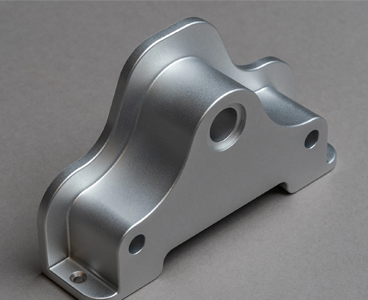
Prototype machining refers to the process of producing a small number of sample parts using precision machining equipment before mass production.
Unlike mass manufacturing methods like injection molding or Die casting, prototype machining focuses on:
Design validation
Functional testing
Dimensional verification
Material performance testing
It bridges the gap between digital design and real-world production.
A typical cnc prototype is made using aluminum, stainless steel, plastic, or engineering-grade materials depending on the final application.
The prototype machining process usually follows these steps:
Engineers design the part using 3D modeling software.
The design is converted into machine instructions for CNC equipment.
Common prototype materials include:
Aluminum (fast machining, low cost)
Stainless steel (strength testing)
ABS / POM plastics (fit and assembly testing)
A cnc machining service uses milling or turning operations to cut the part with high precision.
Parts may undergo surface finishing, polishing, anodizing, or coating, followed by dimensional inspection.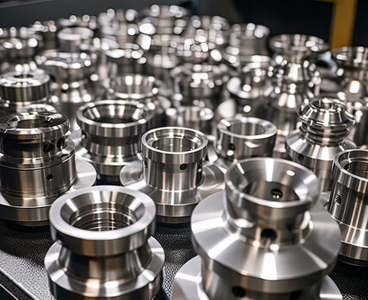
Prototype machining plays a key role in reducing product development risks.
Faster product development cycles
Early detection of design errors
Reduced tooling cost
Improved product performance validation
Better communication between design and engineering teams
Without prototype machining, companies risk expensive design failures during mass production.
A cnc prototype differs significantly from production manufacturing:
| Feature | Prototype Machining | Mass Production |
|---|---|---|
| Quantity | 1–100 pieces | Thousands to millions |
| Purpose | Testing & validation | Commercial production |
| Flexibility | High | Low |
| Tooling Cost | Low | High |
| Lead Time | Fast | Longer setup |
Prototype machining is ideal for early-stage product development, while mass production focuses on efficiency and scale.
Material selection depends on the intended use of the prototype:
Aluminum – lightweight, easy to machine, ideal for rapid testing
Stainless steel – high strength and corrosion resistance
Engineering plastics – cost-effective for functional models
Titanium – used for aerospace and medical prototypes
Brass – good for electrical and decorative parts
Choosing the right material ensures the prototype closely reflects the final product’s performance.
Prototype machining is widely used across multiple industries:
Aerospace components
Automotive parts
Medical devices and implants
Industrial equipment
Consumer electronics
Robotics systems
Each industry uses prototype machining service to test performance before scaling production.
Modern CNC machining technology has made prototype manufacturing faster and more accurate than ever.
Advanced CNC systems allow:
Multi-axis machining for complex geometries
Tight tolerances for precision parts
Rapid turnaround time
Consistent repeatability
This is why CNC-based prototype machining services are now the industry standard for product development.
One of the biggest advantages of prototype machining is its seamless transition to mass production.
Once a prototype is validated:
Design is optimized
Manufacturing parameters are finalized
Production tooling is developed
Mass production begins
This reduces risk and ensures consistent product quality from prototype to final output.
At MINGNON, advanced CNC equipment and engineering expertise are used to deliver high-precision prototype machining services for global industries.
Capabilities include:
CNC Milling and turning
5-axis machining
Rapid prototyping
Low-volume production
Precision machining for complex parts
Learn more about manufacturing solutions:
https://www.mingnoncnc.com/
Prototype machining is an essential step in modern manufacturing that transforms digital designs into physical parts for testing and validation. By using advanced CNC machining services, manufacturers can reduce risk, improve product quality, and accelerate development cycles.
Whether for aerospace components, automotive systems, or consumer products, CNC-based prototype machining remains one of the most efficient and reliable solutions for bringing ideas to life.